
Fetal echocardiography is a specialised ultrasound examination that creates detailed images of your baby's heart while still in the womb. Performed between 20 and 24 weeks of pregnancy — and sometimes as early as 12–14 weeks — it helps doctors identify congenital heart defects before birth, allowing families and medical teams to plan ahead with confidence. If your doctor or genetic clinic has referred you for this test, here is everything you need to know.
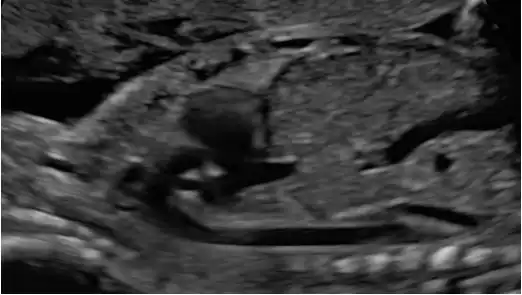
A fetal echo is far more comprehensive than a routine anomaly scan. While a standard ultrasound checks basic cardiac structures, a fetal echocardiogram evaluates the hearts:
At Sonepat Fetal Medicine and Genetic Centre, our fetal medicine experts use high-resolution 2D, 3D/4D, and colour Doppler echocardiography to ensure comprehensive examination of your baby’s heart.
While fetal echocardiography can benefit any pregnancy, certain risk factors make it especially important. Your obstetrician or genetic counseling specialist may recommend it if:
Even without these risk factors, many parents choose fetal echocardiography for peace of mind, and at Sonepat Fetal Medicine and Genetic Centre, we welcome that proactive approach to prenatal care.
The test is non-invasive, painless, and completely safe for both mother and baby — ultrasound waves carry no radiation. Here is what to expect:
In some cases — particularly in early pregnancy or when the baby's position is challenging — a transvaginal approach may be used to obtain clearer images.
The ideal window is 20–24 weeks of gestation, when the heart is large enough to visualise clearly but there is still time to plan any necessary intervention. An early fetal echo (13 weeks or 16-17 weeks echocardiography) can be performed in high-risk cases, though a follow-up scan at 20-24 weeks is usually recommended for confirmation.
Congenital heart defects (CHDs) affect approximately 8–10 out of every 1,000 live births, making them the most common birth anomaly worldwide. Fetal echo can detect a wide spectrum of abnormalities:
Early identification through fetal echo allows medical team — including paediatric cardiologist, neonatologist, genetic counselling experts — to plan delivery, arrange immediate neonatal cardiac care if needed, and, in some cases, perform intrauterine interventions.
Many structural heart defects are associated with chromosomal abnormalities. That is why genetic counseling and fetal echocardiography are so closely linked. At Sonepat Fetal Medicine and Genetic Centre, our integrated genetic clinic works alongside our imaging team so you receive a complete picture — not just of the heart, but of your baby's overall chromosomal and genetic health.
If a cardiac anomaly is found, you will be counselled about:
This holistic approach is what sets a dedicated fetal medicine centre apart from a routine antenatal clinic.
A diagnosis of a fetal heart defect understandably brings anxiety. But early detection gives you options and time — and that matters enormously. Depending on the severity of the finding, your team at Sonepat Fetal Medicine and Genetic Centre may:
Some minor conditions — like small VSDs — often resolve on their own after birth. Others require planned surgery in the newborn period. The goal of fetal echocardiography is to ensure best outcome for your pregnancy.
Sonepat Fetal Medicine and Genetic Centre is a premier fetal medicine centre dedicated exclusively to prenatal diagnosis and foetal wellbeing. Our approach is centred on three pillars:
Our team includes fetal medicine consultants, and expert counsellors with extensive experience in complex prenatal diagnosis. We do not just perform the scan — we interpret it, contextualise it, and walk with you through every step.
We use state-of-the-art ultrasound equipment with real-time 3D/4D cardiac imaging and colour Doppler technology, ensuring the highest possible diagnostic accuracy.
Our in-house genetic clinic means that if a finding requires chromosomal investigation, you do not need to travel between multiple hospitals. Genetic testing, counselling, and follow-up happen under one roof — saving you time and reducing the emotional burden of navigating the healthcare system alone.
A: Yes, completely. Fetal echocardiography uses ultrasound waves, not radiation. It has been used safely in clinical practice for decades and carries no known risk to the mother or the baby.
A: A routine anomaly scan checks overall foetal development and includes a basic look at the heart. Fetal echocardiography is a dedicated, comprehensive cardiac assessment lasting 30–60 minutes, examining all chambers, valves, vessels, blood flow, and rhythm in detail — far beyond what a standard scan can assess.
A: Fetal echo has a high detection rate for major congenital heart defects, especially in experienced hands with good-quality equipment. However, some minor defects or those that develop later in pregnancy may not always be visible. This is why follow-up scans are sometimes recommended.
A: If a cardiac anomaly is detected, genetic counseling helps parents understand the potential chromosomal or genetic causes, recurrence risks, and next steps. At Sonepat Fetal Medicine and Genetic Centre’s genetic clinic, counsellors provide evidence-based guidance and emotional support in a non-directive, compassionate manner.
A: You can book an appointment through the website or by calling our fetal medicine centre directly. A referral from your obstetrician is helpful. Our team will guide you on the best gestational age for your scan based on your individual risk profile.
Fetal echocardiography is one of the most powerful tools in modern prenatal medicine — offering detailed insights into your baby's heart health at a time when early action can make all the difference. Whether you have been referred by your doctor, have a family history of heart conditions, or simply want complete reassurance, Sonepat Fetal Medicine and Genetic Centre’s specialised fetal medicine centre and integrated genetic clinic are here to support you with expertise, compassion, and cutting-edge diagnostics.
For personalised genetic counseling and advanced fetal cardiac assessment, contact Sonepat Fetal Medicine and Genetic Centre today — because every heartbeat matters.
